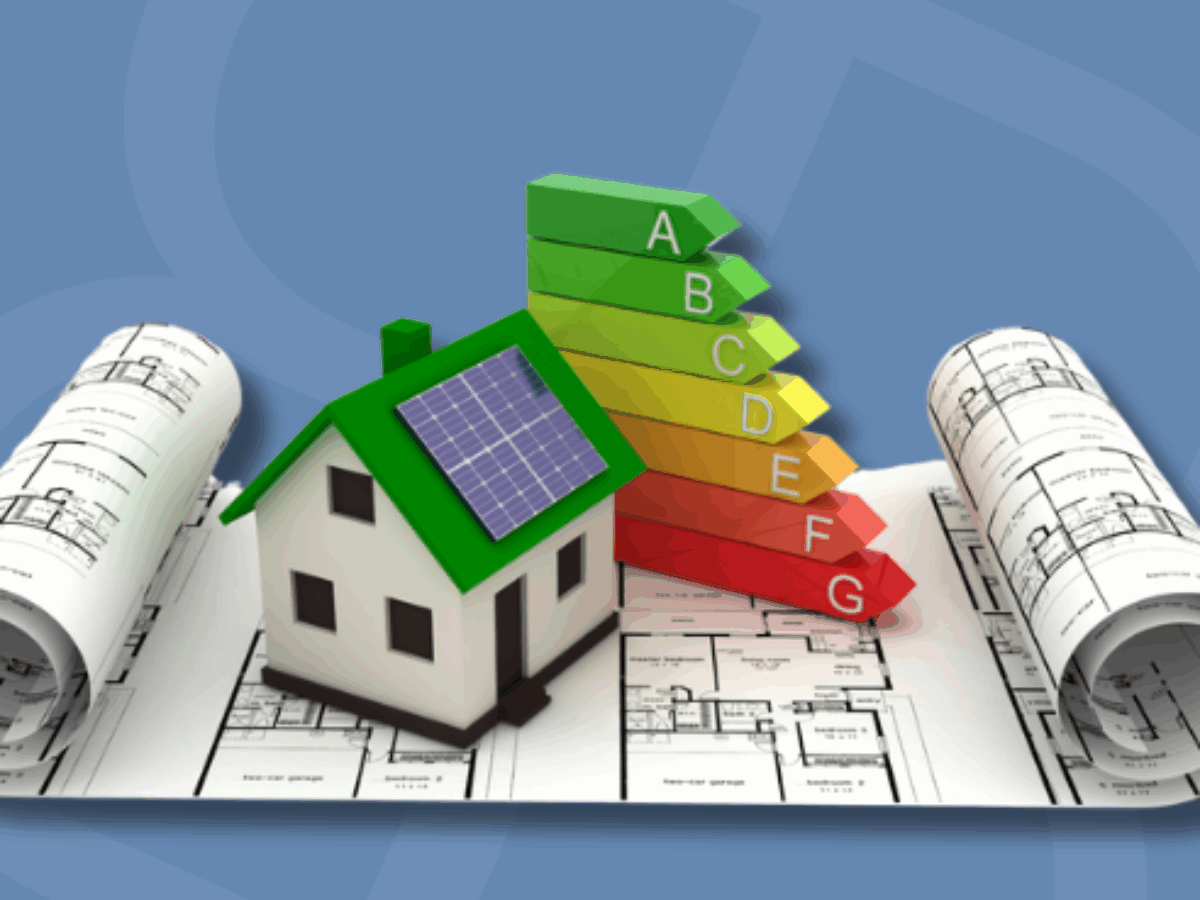
As energy costs fluctuate and environmental sustainability becomes a priority for homebuyers, green mortgages and energy-efficient financing solutions have emerged as powerful financial tools. These specialized lending programs allow homeowners and buyers to finance energy-saving home upgrades directly through their mortgage structure, often unlocking preferable interest rates and larger borrowing limits.
This comprehensive guide explores how green home financing works, the types of loans available, and how strategic energy retrofits improve long-term property valuations.
What Is a Green Mortgage and How Does It Work?
A green mortgage (or energy-efficient mortgage) is a financing product designed to encourage energy-smart real estate investments. Lenders recognize that energy-efficient homes incur lower monthly utility expenses, freeing up additional household income to service debt obligations comfortably.
- Energy Efficient Mortgages (EEMs): Allow buyers to stretch their debt-to-income (DTI) ratios to finance higher-value homes equipped with accredited energy-efficient systems.
- Energy Improvement Mortgages (EIMs): Enable existing homeowners to roll the cost of renewable upgrades (such as solar arrays or heat pumps) directly into a refinance loan.
- Interest Rate Discounts: Many financial institutions offer direct percentage reductions on standard mortgage rates for certified green-rated properties.
High-Impact Upgrades Eligible for Green Financing
1. Residential Solar and Energy Storage Networks
Integrating photovoltaic arrays and high-capacity battery systems dramatically lowers grid dependency. Financing these installations through a mortgage spreads capital costs over 15 to 30 years, creating immediate net-positive monthly cash flow compared to utility savings.
2. Thermal Building Envelope Modernization
Upgrading HVAC insulation, sealing ductwork, and installing multi-pane low-E glass windows eliminate draft points. These physical retrofits reduce heating and cooling demands, reducing HVAC workload and utility overhead.
Comparison of Green Financing vs. Standard Home Improvement Loans
| Financing Mechanism | Typical Interest Rate | Repayment Term | Primary Advantage |
|---|---|---|---|
| Green Mortgage (EEM) | Low (Mortgage Rate) | 15 – 30 Years | Lowest monthly payments & tax deductible interest |
| Personal Unsecured Loan | High (8% – 18%) | 3 – 7 Years | Fast approval with no home equity requirements |
| HELOC (Home Equity Line) | Variable / Moderate | 5 – 20 Years | Flexible withdrawal for phased upgrades |
Steps to Qualify for Energy-Efficient Real Estate Financing
- Obtain a Professional Home Energy Audit: Hire a certified energy auditor to conduct a blower door test and thermal imaging audit to identify primary energy losses.
- Calculate Home Energy Scores: Review the official assessment score to demonstrate expected utility bill savings to prospective mortgage lenders.
- Select Accredited Contractors: Ensure all installation work is conducted by certified professionals who meet national energy-efficiency standards required by underwriters.
Conclusion: Building Equity Through Sustainability
Financing energy-efficient home upgrades through green mortgages is a forward-thinking investment strategy. By reducing monthly utility overhead while simultaneously increasing real estate marketability, homeowners secure both environmental resilience and long-term economic returns.