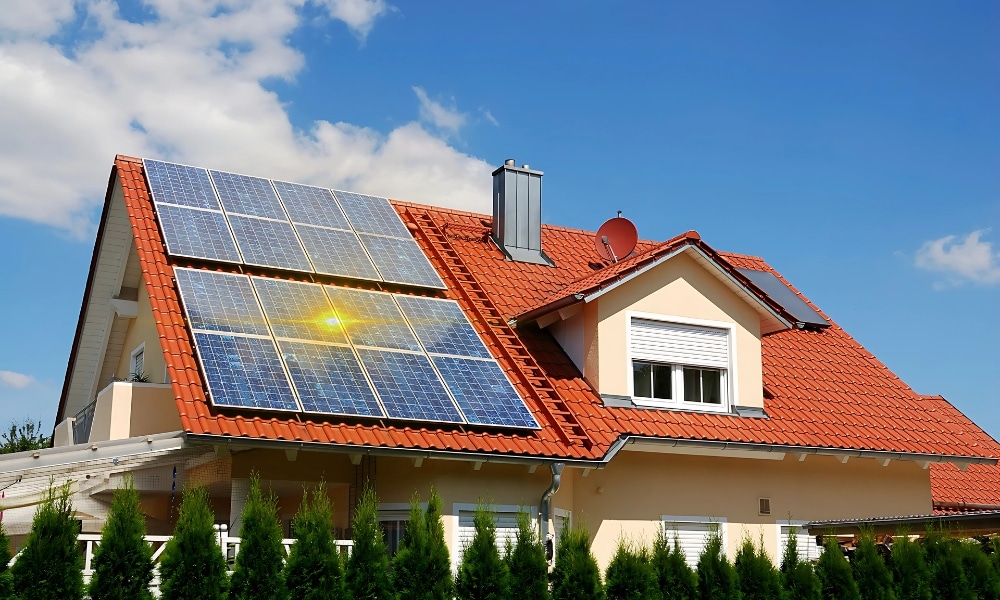
Achieving energy independence through off-grid solar systems has evolved from an environmental initiative into a practical necessity for homeowners worldwide. Transitioning to renewable power allows households to reduce reliance on aging electrical grids, eliminate unpredictable utility bills, and guarantee uninterrupted electricity during outages.
This article explores the core components, design considerations, and energy management strategies required to build a reliable off-grid solar system for long-term residential resilience.
Core Components of a Residential Off-Grid System
An effective off-grid power infrastructure relies on four essential hardware elements working in unison:
- Solar PV Panels: Convert sunlight into Direct Current (DC) electricity using high-efficiency monocrystalline cells.
- MPPT Charge Controller: Regulates voltage and current from the solar array to maximize charging efficiency and protect battery health.
- Battery Storage Bank: Stores surplus daytime power using long-lasting Lithium Iron Phosphate (LiFePO4) chemistry for overnight consumption.
- Pure Sine Wave Inverter: Converts stored DC power into clean Alternating Current (AC) electricity compatible with sensitive home appliances.
Designing for Energy Capacity and Efficiency
1. Evaluating Peak Wattage and Daily Consumption
Proper sizing is the most critical step in off-grid planning. Underestimating load requirements leads to rapid battery depletion, while over-sizing increases initial capital expenditure unnecessarily.
- Audit Base Loads: Identify essential continuous loads such as refrigeration, water pumps, lighting, and communication devices.
- Calculate Watt-Hours: Multiply device wattage by average daily run hours to establish total daily Wh requirements.
2. Selecting the Right Battery Chemistry
Modern battery technology heavily favors LiFePO4 (Lithium Iron Phosphate) over traditional flooded lead-acid or AGM batteries due to higher depth of discharge (DoD), lighter weight, and significantly longer cycle lifespans (exceeding 3,500 full charge cycles).
Off-Grid Battery System Comparison
| Battery Type | Usable Depth of Discharge | Expected Lifespan | Maintenance Requirements |
|---|---|---|---|
| LiFePO4 (Lithium) | 80% – 90% | 10+ Years (3,500+ Cycles) | Zero Maintenance |
| AGM / Gel Lead-Acid | 50% | 3 – 5 Years (500–800 Cycles) | Low Maintenance |
| Flooded Lead-Acid | 50% | 4 – 7 Years (1,000 Cycles) | Regular Water Top-Ups |
Best Practices for Off-Grid System Maintenance
Maintaining high energy output requires routine inspection and strategic usage habits:
- Maintain Panel Angles: Keep photovoltaic surfaces free of dust and debris, adjusting tilt angles seasonally to maximize sunlight capture.
- Monitor Inverter Load Limits: Stagger the use of heavy inductive loads (such as well pumps and compressors) to prevent surge overload.
- Implement Smart Monitoring: Utilize Bluetooth or Wi-Fi battery management systems (BMS) to track real-time state of charge and voltage stability.
Conclusion: Building Long-Term Energy Resilience
Transitioning to an off-grid or hybrid solar architecture provides lasting security, lower carbon footprints, and complete protection against utility disruptions. By selecting quality components and maintaining efficient usage habits, homeowners can secure clean, self-sustaining energy for decades.