Best Solar Generators & Battery Backup Systems 2026: Emergency Power Guide
Power outages and energy grid instability have made off-grid emergency backup systems essential for modern households. In 2026, advances in Lithium Iron Phosphate (LiFePO4) battery technology and High-Efficiency MPPT solar charge controllers have made portable solar generators smaller, safer, and significantly more efficient.
Whether you need a continuous backup system for essential home appliances, medical equipment, or off-grid living, this comprehensive guide compares the top solar generator setups and key specs to evaluate before purchasing.
1. Key Features of Modern Emergency Solar Generators
When selecting an emergency solar generator in 2026, understanding core battery metrics ensures you choose a unit capable of handling your energy demands:
- LiFePO4 Battery Chemistry: Modern units use LiFePO4 cells, which offer 3,500+ charge cycles (lasting up to 10 years of daily use) compared to older lithium-ion units.
- Pure Sine Wave Inverters: Essential for safely powering sensitive electronics like laptops, smartphones, and medical devices without voltage fluctuations.
- Fast Solar Recharging: Advanced MPPT (Maximum Power Point Tracking) controllers allow high solar input, enabling full recharges in under 2 hours under optimal sunlight.
2. Recommended Power Capacities by Usage Needs
To determine the right size for your setup, calculate the total wattage requirements of your essential devices:
| Capacity Range | Ideal For | Typical Devices Powered |
|---|---|---|
| 500Wh – 1,000Wh | Light Emergency / Travel | Phones, laptops, LED lighting, small Wi-Fi routers |
| 1,000Wh – 2,000Wh | Medium Home Backup | Mini-refrigerators, CPAP machines, TVs, power tools |
| 2,000Wh – 5,000Wh+ | Full Home Emergency | Full-size refrigerators, microwaves, water pumps, medical gear |
3. Top System Configurations for Emergency Preparedness
Option A: Expandable Modular Power Stations
Modular solar systems allow users to connect external battery packs as energy demands grow. These units feature integrated inverter-charging systems that seamlessly switch to battery power during a blackout (UPS mode with <20ms transfer speed).
Option B: Foldable Solar Panel Kits
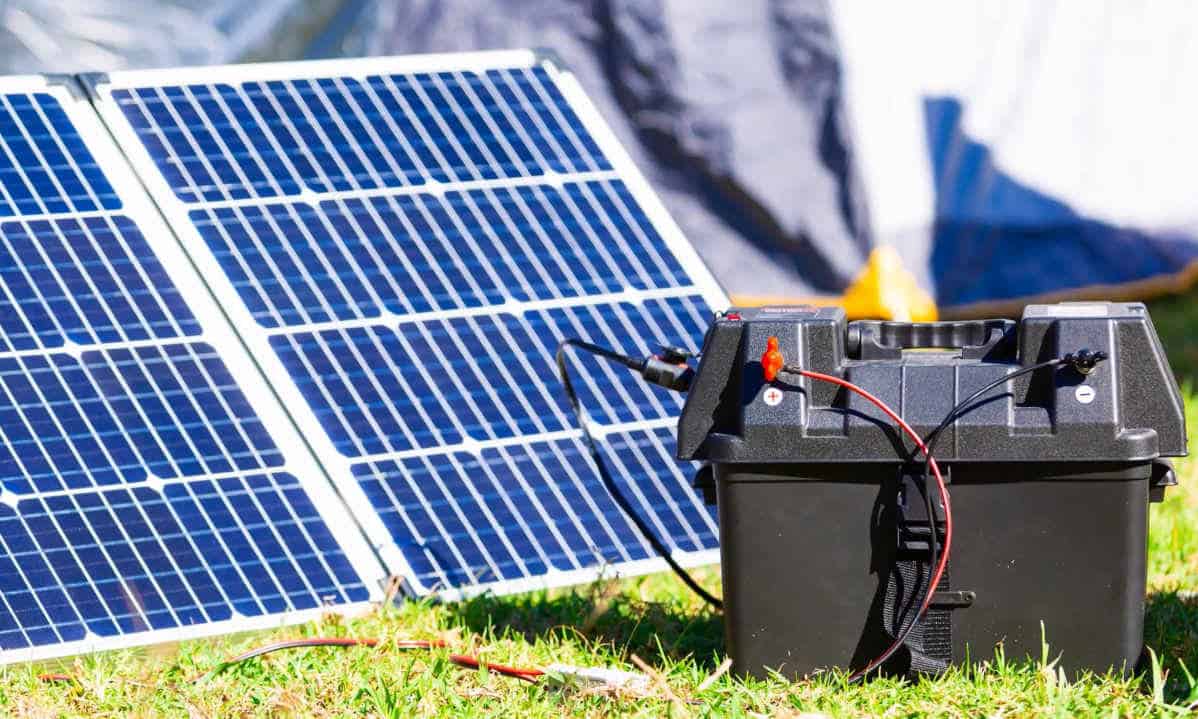
Pairing a high-capacity power station with rigid or foldable monocrystalline solar panels ensures continuous energy harvesting during extended power outages. Look for panels with a 23%+ conversion efficiency rating and IP67 weather resistance.
4. How to Calculate Your Backup Power Duration
To estimate how long a solar battery will power your devices, use this standard efficiency formula:
Running Time (Hours) = (Battery Capacity (Wh) × 0.85) ÷ Device Power Consumption (Watts)
Example: Running a 60W portable refrigerator on a 1,000Wh battery unit:
(1000 × 0.85) ÷ 60 ≈ 14.1 Hours of Continuous Operation
5. Important Safety & Maintenance Practices
- Storage Temperature: Store battery stations in a dry environment between 15°C and 25°C to preserve long-term cell health.
- Periodic Cycle Maintenance: For emergency standby units, charge and discharge the battery to 80% every 3 to 6 months.
- Overload Protection: Always check the surge wattage of heavy appliances (like compressor-based fridges) to prevent triggering inverter safety shutoffs.
Final Recommendation
Investing in a LiFePO4-based solar generator with expandable capacity offers the most reliable safety net for home energy independence. Prioritize models featuring pure sine wave output, fast solar input ratings, and built-in UPS functionality for uninterrupted protection.