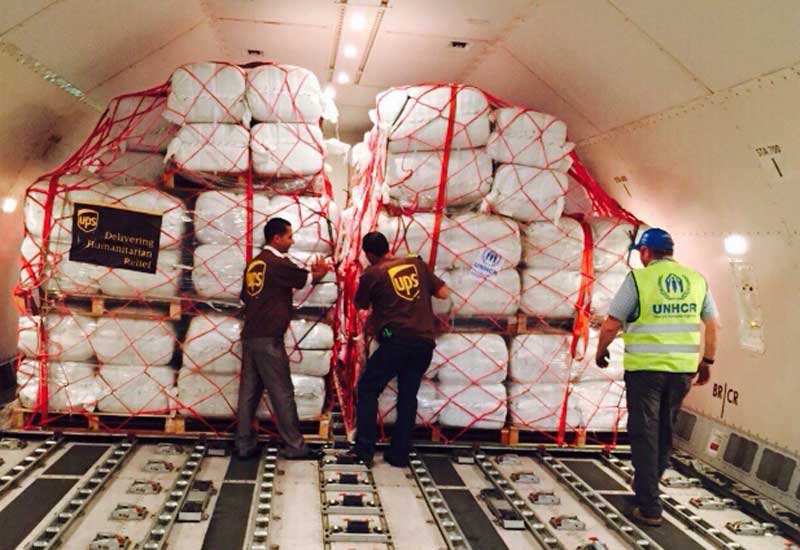
International humanitarian aid plays a pivotal role in supporting communities affected by conflict, natural disasters, and economic crises. Delivering assistance across complex emergency environments requires sophisticated coordination between international organizations, local agencies, and logistical networks.
This guide breaks down how global relief programs operate, detailing the supply chain lifecycle, funding mechanisms, and on-the-ground distribution frameworks that ensure life-saving resources reach those who need them most.
The Key Stages of Humanitarian Relief Logistics
Executing an effective disaster response or long-term assistance program involves a structured operational pipeline:
- Needs Assessment and Rapid Evaluation: Field teams deploy to assess population requirements, food security, clean water access, and healthcare needs.
- Resource Mobilization and Funding: International donors, governmental bodies, and private charities pool capital to fund procurement.
- Procurement and Supply Chain Transport: Sourcing essential goods—such as medical supplies, flour, and clean water—and arranging overland or air transit.
- Last-Mile Field Distribution: Partnering with local community networks and civil societies to manage safe, organized handover to families.
Core Channels of Modern Emergency Assistance
1. Direct In-Kind Material Aid
In immediate disaster or acute crisis zones where local markets are disrupted, in-kind aid remains essential. This includes ready-to-eat rations, water purification units, temporary shelter kits, and medical equipment designed for rapid deployment.
2. Cash and Voucher Assistance (CVA)
Where local commercial markets remain functional, modern relief efforts increasingly utilize Cash and Voucher Assistance. CVA empowers beneficiaries to purchase their own essentials directly from local vendors, stimulating the local economy while reducing logistical transportation overhead.
Framework Comparison: In-Kind Aid vs. Cash Assistance
| Mechanism | Primary Advantage | Best Operational Context | Logistical Complexity |
|---|---|---|---|
| In-Kind Relief | Guaranteed physical supply of critical items | Collapsed local markets & acute disasters | High (Warehousing & Transport) |
| Cash / Voucher (CVA) | Empowers choice & supports local vendors | Functional markets with available supply | Low-to-Medium (Digital Transfers) |
| Micro-Infrastructure | Long-term sustainable utility restoration | Post-crisis recovery & community development | High (Engineering & Contracting) |
Ensuring Transparency and Accountability in Relief Programs
Maintaining public trust and operational efficiency requires strict monitoring and evaluation metrics throughout the aid delivery cycle:
- Third-Party Auditing: Independent verification of procurement costs and supply line tracking.
- Digital Identity & Verification: Utilizing secure biometric or digital registration tools to eliminate duplicate claims and streamline registry lists.
- Community Feedback Mechanisms: Establishing direct hotlines and field desks to resolve distribution discrepancies and collect user feedback.
Conclusion: The Future of Global Humanitarian Support
As global humanitarian challenges become more complex, combining rapid emergency response with sustainable, market-driven development strategies is essential. Strengthening local supply chains and leveraging modern tracking technology ensures relief efforts remain efficient, transparent, and resilient for years to come.