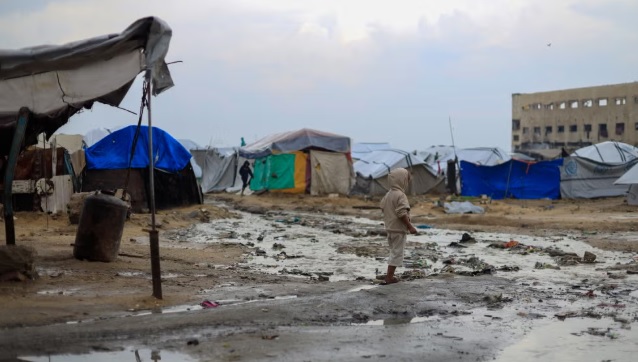
Palestine Humanitarian Aid 2026: Complete Registration Guide & Cash Assistance Updates
Accessing reliable humanitarian aid and emergency financial assistance remains a critical need for thousands of families across Palestine. In 2026, several international relief organizations, including UNRWA, the World Food Programme (WFP), and non-governmental aid networks, updated their distribution channels and registration portals to streamline emergency assistance.
This comprehensive guide covers active aid initiatives, cash support programs, eligibility criteria, and step-by-step instructions on how to verify your status safely.
1. Key Emergency Relief Programs Active in 2026
Humanitarian operations in Palestine are structured around immediate food distribution, direct financial transfers, and medical relief. The primary active aid categories include:
UNRWA Emergency Cash & Food Grants: Periodic emergency assistance targeted at vulnerable families, displaced households, and registered refugees.
WFP E-Voucher Programs: Monthly electronic card top-ups designated for essential food purchasing at partnered local vendors.
National Social Protection Grants: Emergency cash distribution drives coordinated through social welfare channels and local humanitarian partners.
2. Eligibility Criteria for Cash Assistance & Food Grants
To ensure equitable distribution, humanitarian agencies prioritize support based on specific socio-economic indicators. High-priority categories include:
Households with no active source of income or formal employment.
Families supporting individuals with special needs, chronic illnesses, or elderly relatives.
Female-headed households and families with young children.
Families living in areas facing acute infrastructure disruption or displacement.
3. Step-by-Step: How to Register & Verify Your Status
Most humanitarian aid programs require online verification or profile updates through official portals to ensure accurate record-keeping.
Step 1: Document Preparation
Before submitting an application or checking your status, ensure you have clear digital copies of:
National Identification Card (ID).
Family registration booklet (Hawiya).
Valid contact phone number capable of receiving SMS verification codes.
Relevant documentation for medical conditions or disability status (if applicable).
Step 2: Accessing Official Inquiry Portals
Beneficiaries are advised to use official online inquiry links provided by recognized organizations. Avoid third-party forms or unverified social media links requesting sensitive information or fees.
Step 3: Application Submission & Verification
Fill out the electronic forms with exact details matching your national ID. Once submitted, status updates are generally communicated via direct SMS messages containing pickup details or transfer confirmation codes.
4. Important Safety Guidelines for Beneficiaries
Free Service Guarantee: All official humanitarian aid programs, cash transfers, and registration processes are 100% free of charge. Never pay fees to individuals claiming to expedite your aid application.
Data Security: Only submit private identification details through official HTTPS-secured websites.
Scam Awareness: Official organizations will never ask for bank PINs, password details, or credit card information via phone calls or messaging apps.
Summary & Ongoing Updates
Staying informed through verified channels ensures timely access to financial grants, food packages, and winterization relief. Our directory continuously monitors official releases to bring you accurate updates regarding payout dates and registration reopenings.